Posts

Showing posts with the label Conductive Polymers

35. Artificial regulation of state transition for augmenting plant photosynthesis using synthetic light-harvesting polymer materials

Image
           SuperPlants! This is what the researchers of this article have created. They have developed a way to increase the photosynthetic efficiency of a plant by adding a polymer resulting in a better yield. Take a listen. Anchor / Google Podcasts / iVoox / Spotify & much more SPANISH AUDIO Published in Science Advances on 26 th august 2020 Xin Zhou, Yue Zeng, Yongyan Tang, Yiming Huang, Fengting Lv, Libing Liu and Shu Wang DOI: 10.1126/sciadv.abc5237
34. Conducting polymer tattoo electrodes in clinical electro- and magneto-encephalography

Image
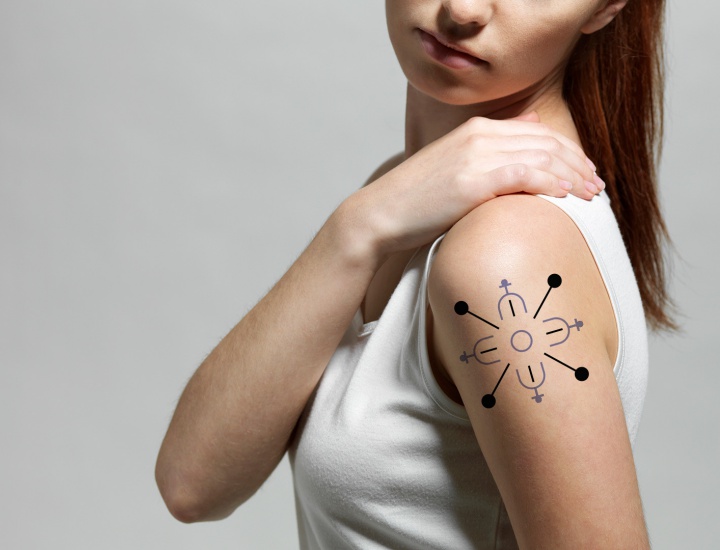
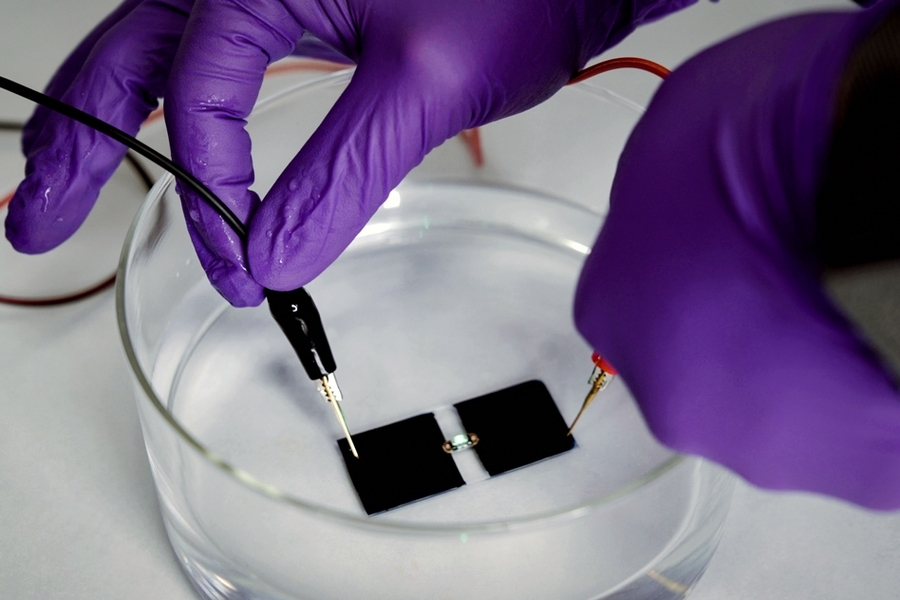
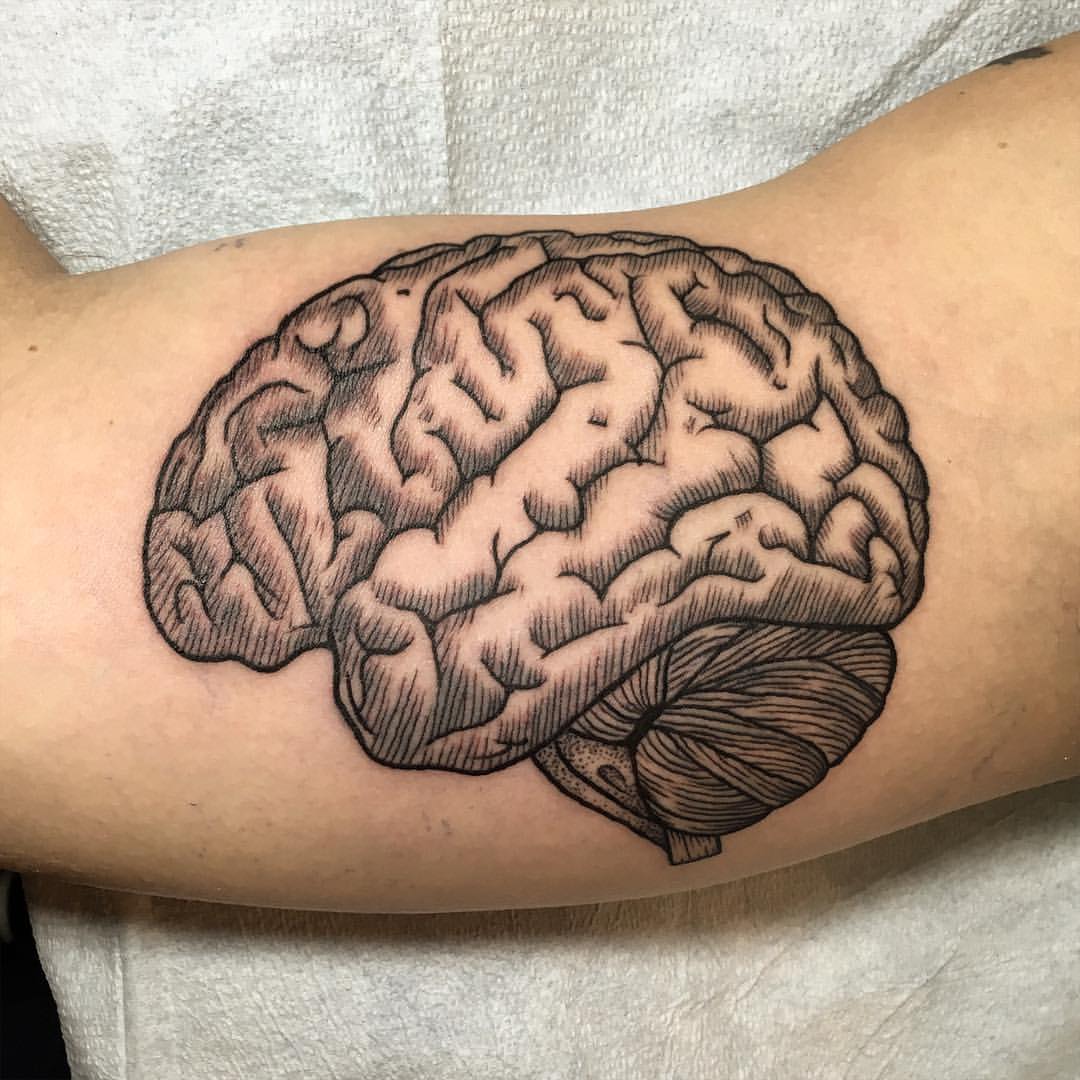
          Despite the relevance of body parameters for health, the development of monitoring systems has a big path to walk. In this article, the authors jump into a tattoo able to follow brain signals . This podcast dives deep in the mindset of the approach and discrives with great detail their study.  Anchor / Google Podcasts / iVoox / Spotify & much more SPANISH AUDIO Anchor / Google Podcasts / iVoox / Spotify & much more SPANISH AUDIO Methods  Published in NPJ Flexible Electronics on 17 th March 2020 Laura M. Ferrari, Usein Ismailov, Jean-Michel Badier, Francesco Greco and Esma Ismailova DOI: https://doi.org/10.1038/s41528-020-0067-z

33. An Aqueous Conducting Redox‐Polymer‐Based Proton Battery that Can Withstand Rapid Constant‐Voltage Charging and Sub‐Zero Temperatures

Image
           In this article the authors show a new type of batteries based on organic matter as an alternative to the classic models. They approach the idea by modifying conductive polymers with thiophene backbone and they also analyse their properties and processability. They achieve a stable battery , that supports a quick charge , with a good capacity , which allows the direct integration with a photovoltaic cell and that keeps its characteristic even at low temperatures . Take a listen to the podcasts. Anchor / Google Podcasts / iVoox / Spotify & much more SPANISH AUDIO Published in Angewandte Chemie on 17 th march 2020 Christian Strietzel, Mia Sterby, Hao Huang, Maria Strømme, Rikard Emanuelsson, and Martin Sjçdin DOI: doi.org/10.1002/anie.202001191

30. Review. The Development of Wearable Polymer-Based Sensors. Perspectives

Image
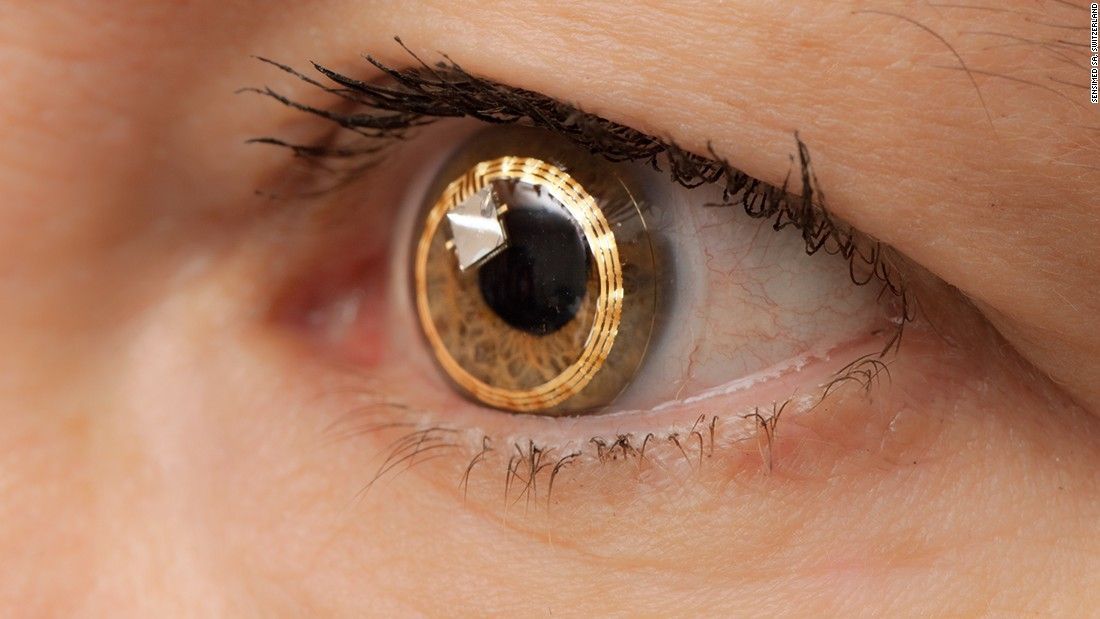
          We have bet hard with this episode. We share an entire review about wearable biosensors such as contact lenses , tattoos and clothes , which have received a huge contribution by the polymers in order to make them portable and suitable for energy storage . Take a listen to it, we are sure you will discover some applications before they become mainstream. Anchor / Google Podcasts / iVoox / Spotify & much more SPANISH AUDIO Published in Journal of The Electrochemical Society on 17 th February 2020 Christian Harito, Listya Utari, Budi Riza Putra, Brian Yuliarto, Setyo Purwanto, Syed Z. J. Zaidi, Dmitry V. Bavykin, Frank Marken, and Frank C. Walsh DOI: 10.1149/1945-7111/ab697c

28. Energy storing bricks for stationary PEDOT supercapacitors

Image
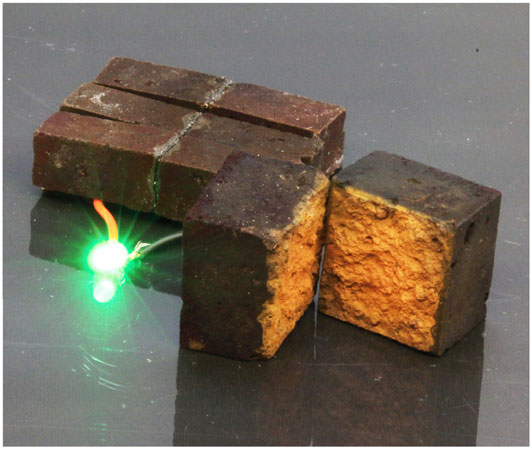
          Just wow! This is the definition that comes to our minds reading this paper. The author took a very simple idea and twisted it into a wide field of research and application. The approach has the novelty touch because there are not too many crossovers out there between bricks of construction and conductive polymers , but Science never stops surprising the world. We hope you enjoy this podcast and maybe discover a new use of PEDOT. Anchor / Google Podcasts / iVoox / Spotify & much more SPANISH AUDIO Published in Nature Communications on 11 th August 2020 Hongmin Wang, Yifan Diao, Yang Lu, Haoru Yang, Qingjun Zhou, Kenneth Chrulski & Julio M. D’Arcy DOI: https://doi.org/10.1038/s41467-020-17708-1

26. 3D Hybrid Scaffolds Based on PEDOT:PSS/MWCNT Composites

Image
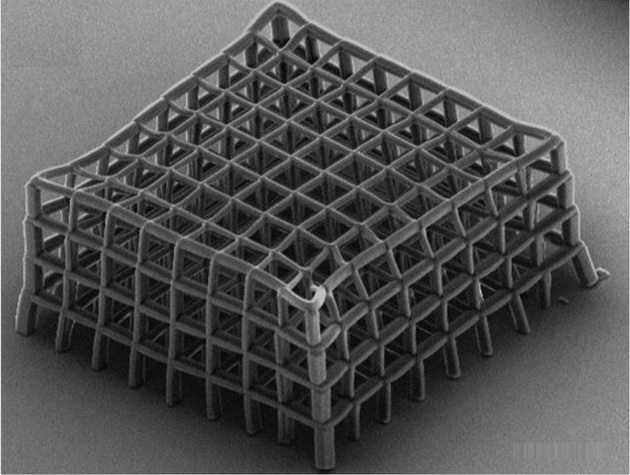
          In this text the authors reach their experiments with 3D scaffolds of PEDOT:PSS by adding MWCNT which increase all the previous characteristics such as: pore size distributions, swelling capacity, electrical properties, functionalization capability and cytocompatibility. Take a listen to the podcasts, because it runs through all the basic analysis and properties this kind of biomaterials should have. Anchor / Google Podcasts / iVoox / Spotify & much more Published in Frontiers in Chemistry at 21 st May 2019 Akhila K. Jayaram, Charalampos Pitsalidis, Ellasia Tan, Chrysanthi-Maria Moysidou, Michael F. L. De Volder, Ji-Seon Kim and Roisin M. Owens DOI: 10.3389/fchem.2019.00363

24. Strong adhesion of wet conducting polymers on diverse substrates

Image
         Sometimes, the greatest Scientific discoveries come in the simplest way or try to fix the apparently smalest problems. In this study, the authors solve the adhesion between a conductive polymer and a substrate through an imaginative approach using an adhesive layer, two interpenetrating polymer nets and the swelling behaviour. We found it very engaging and we hope you do too.  Anchor / Google Podcasts / iVoox / Spotify & much more SPANISH AUDIO Anchor / Google Podcasts / iVoox / Spotify & much more SPANISH AUDIO Materials & Methods Published in Science Advances on 20 th March 2020 Akihisa Inoue, Hyunwoo Yuk, Baoyang Lu and Xuanhe Zhao DOI: 10.1126/sciadv.aay5394

22. Cellulose-Conducting Polymer Aerogels for Efficient Solar Steam Generation

Image
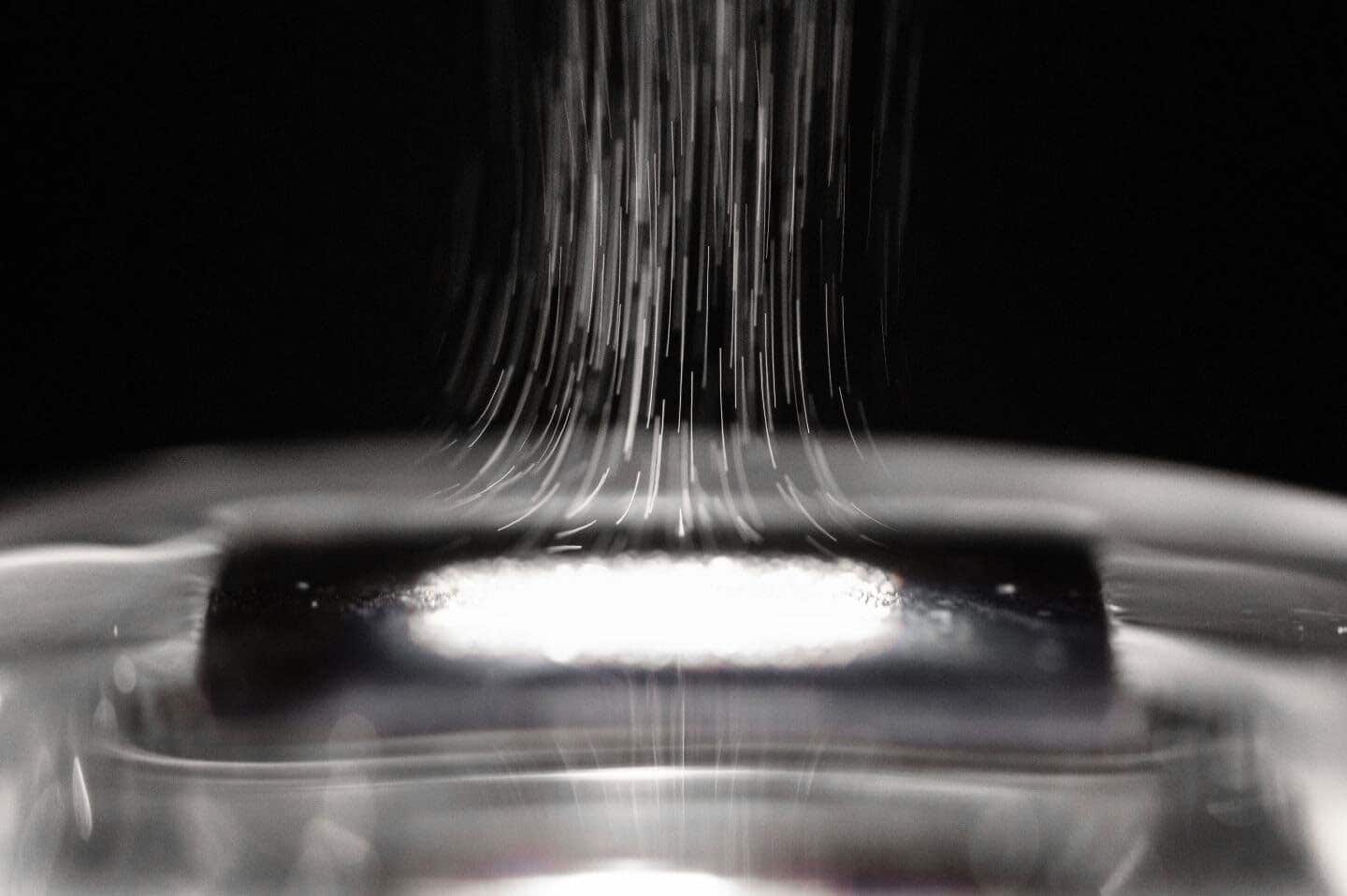
A revolutionary invention is presented in this article which provides a way to reduce the lack of water . The authors present an aerogel made of cellulose and PEDOT:PSS capable of capturing water and evaporating it faster than previous methods in order to make it pure and ready for human consumption by using solar light . Take a listen to the episode.  Anchor / Google Podcasts / iVoox / Spotify & much more SPANISH AUDIO Published in Advance Sustainable Systems on March 9 th 2020 Shaobo Han, Tero-Petri Ruoko, Johannes Gladisch, Johan Erlandsson, Lars Wågberg, Xavier Crispin, and Simone Fabiano DOI: 10.1002/adsu.202000004

17. Pure PEDOT:PSS hydrogels

Image
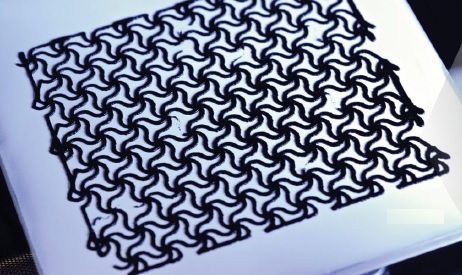
As you have probably noticed, the Sciences Audio Article’s Team is very interested in the research field of polymers . This has an easy explanation, that this is one of the topics they were specialized in, so the group is trying to keep updated and to expand their polymers knowledge. In this article, the authors face one long term challenge of Science, the creation of conductive hydrogels for biomechanical applications using a single component instead of mixtures of polymeric nets. This is a big step in that direction, we hope you like the work.  Anchor / Google Podcasts / iVoox / Spotify & much more SPANISH AUDIO Pure PEDOT:PSS hydrogel printed in a pattern for a bioelectronic application Published in Nature Communications on  5 th March 2019  Baoyang Lu, Hyunwoo Yuk, Shaoting Lin, Nannan Jian, Kai Qu, Jingkun Xu & Xuanhe Zhao DOI: https://doi.org/10.1038/s41467-019-09003-5

10. 3D printing of conducting polymers

Image
Nature Communications  Hyunwoo Yuk, Baoyang Lu, Shen Lin, Kai Qu, Jingkun Xu, Jianhong Luo & Xuanhe Zhao   Published: 30 th march 2020 DOI: https://doi.org/10.1038/s41467-020-15316-7   Anchor / Google Podcasts / iVoox / Spotify & much more SPANISH AUDIO

8. Subretinally injected semiconducting polymer nanoparticles rescue vision in a rat model of retinal dystrophy

Image
Nature Nanotechnology José Fernando Maya-Vetencourt, Giovanni Manfredi, Maurizio Mete, Elisabetta Colombo, Mattia Bramini, Stefano Di Marco, Dmytro Shmal, Giulia Mantero, Michele Dipalo, Anna Rocchi, Mattia L. DiFrancesco, Ermanno D. Papaleo, Angela Russo, Jonathan Barsotti, Cyril Eleftheriou, Francesca Di Maria, Vanessa Cossu, Fabio Piazza, Laura Emionite, Flavia Ticconi, Cecilia Marini, Gianmario Sambuceti, Grazia Pertile, Guglielmo Lanzani and Fabio Benfenati Published: 29 th June 2020 DOI: https://doi.org/10.1038/s41565-020-0696-3 Anchor / Google Podcasts / iVoox / Spotify & much more SPANISH AUDIO